
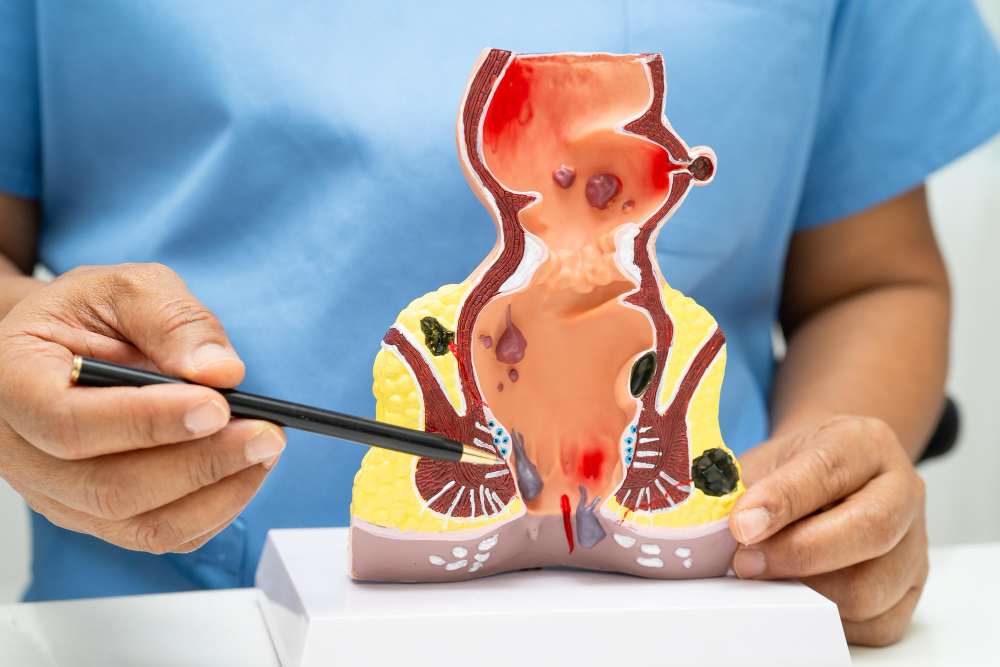
What Is an Anal Abscess?
An anal abscess is a pocket of pus that forms near the anus. This infection can cause pain and swelling. Often, it starts when small glands inside the anus become blocked and bacteria grow. Because the area is sensitive, even a small abscess can be very uncomfortable. According to the CDC, anal abscesses are a common reason for visits to the doctor. While anyone can get an anal abscess, some people are at higher risk. For example, people with diabetes or weakened immune systems may be more likely to develop one.
Early Warning Signs of Anal Abscess
Recognizing the early warning signs of anal abscess is important. Early treatment can help prevent complications. Usually, symptoms of anal abscess appear quickly. However, they may start mild and worsen over time. Watch for these signs:
Sometimes, you may notice a lump or bump. If you see pus or feel severe pain, seek medical help right away. Early care can reduce the risk of further problems.
Common Causes of Anal Abscess
Many things can lead to an anal abscess. Most often, it starts when bacteria enter small glands inside the anus. For instance, a blocked gland can trap germs and cause infection. Here are some common causes:
Additionally, people with diabetes or those who have had anal surgery may be at higher risk. Because the area is prone to moisture, bacteria can grow easily.
How Anal Abscess Is Diagnosed
Doctors use several steps to diagnose an anal abscess. First, they will ask about your symptoms and health history. Next, a physical exam is done. During this exam, the doctor checks for swelling, redness, or pus. Sometimes, they may gently press the area to see if it is tender. In some cases, further tests are needed. For example, if the abscess is deep or hard to see, an ultrasound or MRI may help. These tests show the size and location of the abscess. According to the CDC, early diagnosis is key to fast recovery.
Treatment Options for Anal Abscess
Treatment for anal abscess usually involves draining the pus. This is often done in a clinic or hospital. Because the infection can spread, doctors act quickly. Here are common treatment options:
Sometimes, a deeper abscess may need surgery. After treatment, most people recover well. However, it is important to follow your doctor’s advice. If you notice new symptoms, contact your healthcare provider right away.
Prevention and Lifestyle Tips
While not all anal abscesses can be prevented, some steps may lower your risk. Because good hygiene is important, always keep the anal area clean and dry. Here are some tips on how to prevent anal abscess:
Additionally, people with health conditions like diabetes should manage their health closely. Early care and healthy habits can help reduce the chance of infection.

 WhatsApp us