
If you’ve ever noticed those bulging, twisted veins on your legs, you’re not alone. Varicose veins affect millions of people around the world, and they’re more than just a cosmetic issue. These swollen veins can cause real discomfort, aching legs, heaviness, and sometimes even more serious problems. When you’re dealing with varicose veins, finding the right doctor is critical. But here’s the thing: not everyone knows where to start or which specialist to see.
1. Understanding Varicose Veins
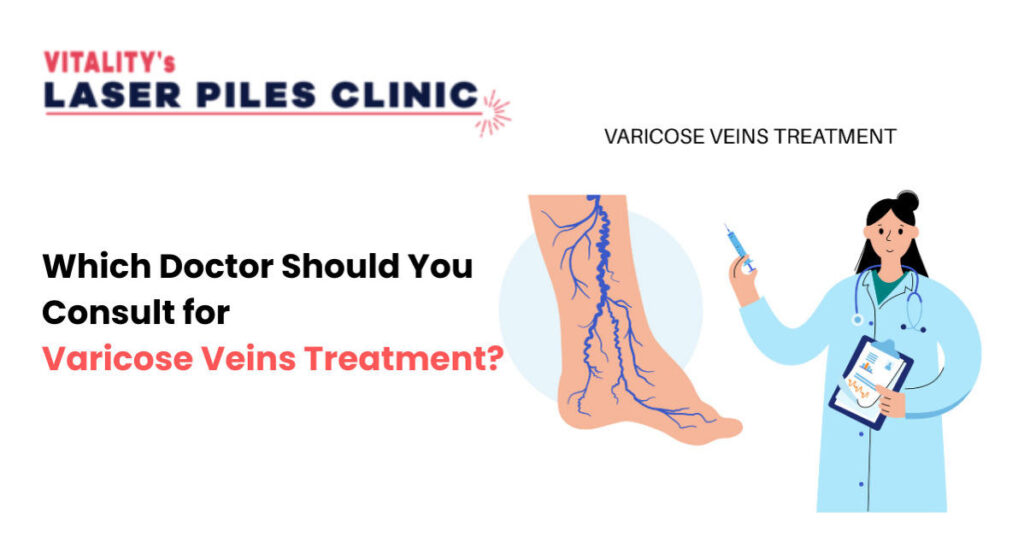
Before we get into which doctors can help, let me explain what’s actually going on with varicose veins. Think of your veins like highways with tiny gates that keep traffic moving in one direction toward your heart. When those gates wear out or stop working properly, blood backs up and collects in the vein instead of flowing where it should. That’s why you see those bulging, rope-like veins popping up under your skin. Most people notice their legs feeling achy or heavy, especially after standing for a while. Your legs might swell up too. Left alone for too long, some folks end up with skin ulcers or blood clots, which is definitely something you want to avoid.
2. Who Can Treat Varicose Veins?
When considering varicose veins treatment, the first question is, which doctor should you consult? Here are the specialists who play a role in treating this condition:
a. Vascular Surgeons
A vascular surgeon specialising in varicose veins is often the go-to expert for diagnosing and treating more severe cases. Vascular surgeons specialise in diagnosing and treating blood vessel disorders, including varicose veins, arterial diseases, and deep vein thrombosis. These specialists are highly skilled in both surgical and non-surgical treatments for varicose veins.
- Surgical Treatment Options: Vascular surgeons can perform procedures such as vein stripping, sclerotherapy, or endovenous laser therapy (EVLT). These treatments can remove or close off problem veins.
- Non-Surgical Treatment: In some cases, vascular surgeons may recommend minimally invasive procedures that don’t require incisions or prolonged recovery.
If you have severe varicose veins or complications such as ulcers or deep vein thrombosis, consulting a vascular surgeon is highly recommended.
b. Phlebologists
Phlebologists are vein specialists. Their whole focus is on treating vein problems, varicose veins, spider veins, you name it. Now, they might not perform the complex surgery that vascular surgeons handle, but they’re really good at the non-invasive work. We’re talking sclerotherapy (where they inject the vein to make it collapse), laser treatments, and radiofrequency ablation. If your varicose veins aren’t too severe and you’d rather avoid surgery, a phlebologist is probably your best bet. Plus, they’ll give you solid advice on exercises, diet changes, and other lifestyle tweaks that can help manage your veins over the long term.
c. Dermatologists
Okay, so dermatologists might seem like an odd choice since they typically treat acne, rashes, and skin cancer. But some of them actually treat varicose veins too, especially when you’re mainly worried about how they look. Many dermatologists have received training in laser treatments for smaller, more superficial veins. It’s a decent option if your veins aren’t causing you pain or other symptoms. Just keep in mind that if your situation is more complicated, like you’ve got bigger veins or they’re really bothering you, you’ll probably need to see a vascular surgeon or phlebologist who focuses on this stuff full-time.
d. Interventional Radiologists
Here’s a specialist you might not have heard of. Interventional radiologists are doctors who use imaging equipment such as ultrasound and X-ray to guide their treatments. They’re really skilled at doing minimally invasive procedures for varicose veins without making big incisions. Think sclerotherapy and endovenous laser treatments. What’s cool is they often team up with vascular surgeons and phlebologists, so you get a whole range of options. If you’re looking for high-tech treatment without traditional surgery, an interventional radiologist might be exactly what you need.
3. What Should You Look for in a Doctor?
When searching for the best doctor for varicose veins treatment, there are several factors to consider to ensure that you get the best possible care:
a. Experience and Specialisation
Look, you need someone who’s seen it all when it comes to vein problems. Your family doctor is great for general stuff, and they can definitely point you toward a specialist, but for actually treating varicose veins? You want someone who handles this every day. Vascular surgeons and phlebologists live and breathe this stuff, so they know all the latest techniques and what actually works. Here’s the thing about experience: it really counts. You don’t want to be the person they’re learning on, right?
b. Comprehensive Treatment Options
Here’s what you don’t want: a doctor who only knows one way to fix things. The really good ones? They’ve got options. Maybe your situation is simple, compression stockings and changing up a few habits might be all you need. Sclerotherapy could work perfectly. But say things are worse than you thought, or the first approach doesn’t quite cut it. You want someone who can pivot and knows how to handle both easy and complex cases. Otherwise, you’re back at square one, looking for a different doctor, which is just frustrating.
c. Reputation and Patient Reviews
Time to do some homework. Before you make that appointment, spend a little time researching who you’re about to see. Check out their credentials, sure, but also, and this is important, see what real patients are saying. People leave reviews for everything now, and you can learn so much from them. Were people satisfied? Did the doctor actually listen to their concerns? You can get a real feel for what the experience will be like. And honestly, never underestimate the value of asking around. If someone you know, your neighbour, a friend from work, whoever, had their varicose veins treated and loved their doctor, that recommendation is gold.
d. Convenient Location and Insurance Coverage
Let’s be practical here. If you need to see the doctor multiple times, you don’t want to be driving two hours each way. Find someone who’s reasonably close to home or work. And definitely check whether they accept your insurance before you get too far into the process. The last thing you need is surprise bills piling up. A little homework upfront can save you major headaches and money down the line.
4. Varicose Veins Specialist in Hyderabad
If you happen to be in Hyderabad, you’re actually in a pretty good spot. The city has many qualified vein specialists who know what they’re doing. Whether you end up seeing a vascular surgeon, a phlebologist, or another type of specialist, there’s no shortage of experienced doctors here who can walk you through everything from figuring out what’s going on to picking the right treatment and getting you back on your feet. What’s notable about being in a larger city like this is that doctors here tend to have access to modern equipment and stay up to date on the latest techniques. You’re not stuck with outdated methods when better options are available.
5. Minimally Invasive Treatments
Here’s something that’ll make you feel better: surgery isn’t usually the first option anymore. Most people choose minimally invasive treatments these days, and they work very well. I’m talking about things like laser therapy, radiofrequency ablation, and sclerotherapy. These aren’t the big, scary procedures your grandparents might have had. They’re quick, way less painful, and you recover so much faster. The whole thing usually happens right at the clinic. You walk in, receive your treatment, and walk out the same day. No overnight hospital stays or anything like that. A lot of people actually feel relief pretty much right away, and within a few weeks, you’ll see your legs looking better too. What I love about these newer methods is you’re not stuck in bed recovering for ages. You can get back to doing your thing, work, exercise, whatever way quicker than if you’d gone under the knife.
6. When Should You See a Doctor?
Many people wonder when it’s time to move beyond home remedies and actually schedule an appointment with a specialist. While varicose veins may start as a cosmetic concern, they can progress to a more serious condition if left untreated. Here are some signs that indicate you should consult a doctor sooner rather than later.
If you notice persistent pain or heaviness in your legs that doesn’t improve with rest or elevation, that’s a clear signal. Similarly, if the skin around your varicose veins becomes discoloured, itchy, or develops a rash, these could be warning signs of more serious circulation problems. Swelling that occurs regularly, especially at the end of the day, shouldn’t be ignored either.
Now, if a varicose vein actually bleeds, even just a tiny bit, get to a doctor immediately. Don’t wait on that. Same thing if you notice sudden swelling in one leg, or it feels warm and looks red. That could be a blood clot, which is called deep vein thrombosis, and it’s no joke. You need to get that checked out right away.
But here’s what I want you to know: even if nothing scary is happening, you don’t have to just live with this. If varicose veins are messing with your life, making you feel self-conscious, keeping you from wearing what you want, or stopping you from doing stuff you used to enjoy, that’s reason enough to see someone. Your comfort and confidence matter.
7. Preparing for Your First Appointment
First appointments can feel a bit nerve-wracking, right? Especially when you’re walking into unfamiliar territory. But honestly, doing a bit of prep beforehand takes so much pressure off and helps you get way more out of the visit.
Before you head in, grab a notebook or your phone and start writing things down. When did you first spot these veins? What makes them feel worse standing all day, hot weather, or certain activities? And what actually helps elevating your feet, wearing looser clothes? If pain’s part of the picture, try describing it. Is it that annoying, dull ache that just won’t quit? Or more like sharp jabs? Maybe it feels hot or burns? Write down when the swelling happens too, and note if putting your feet up gives you any relief.
Please list all medications and supplements you’re currently taking, as some may affect treatment options. Your doctor will also want to know about any previous surgeries, blood clots, or circulation problems. Please note whether varicose veins run in your family, as genetics plays a significant role in this condition.
During the appointment, your doctor will likely perform a physical examination of your legs while you’re standing. They may also use ultrasound imaging to obtain a detailed view of blood flow in your veins. This painless test helps identify which veins aren’t functioning properly and guides treatment decisions.
Don’t hesitate to ask questions during your visit. Inquire about all available treatment options, success rates, potential risks, and recovery times. Ask about costs and whether your insurance covers the recommended procedures. Understanding what lies ahead will help you make informed decisions about your care.
8. Lifestyle Changes That Support Treatment
While professional treatment is often necessary for varicose veins, certain lifestyle modifications can enhance your results and prevent new veins from developing. Your doctor will likely recommend these changes as part of a comprehensive treatment plan.
Regular exercise improves circulation and strengthens the muscles that help push blood back toward your heart. Walking, swimming, and cycling are particularly beneficial. Even simple calf raises throughout the day can make a difference. The key is consistency, aim for at least 30 minutes of movement most days of the week.
Maintaining a healthy weight reduces pressure on your leg veins, which can help prevent varicose veins from worsening. If you’re carrying extra pounds, even modest weight loss can provide relief from symptoms.
What you wear matters too. Avoid tight clothing around your waist, groin, or legs, as this can restrict blood flow. Your doctor might recommend compression stockings, which apply graduated pressure to help blood move more efficiently through your veins. These come in various strengths and styles, and consistent use can significantly reduce symptoms.
Pay attention to how you sit and stand. If your job requires long periods in one position, make a conscious effort to move around regularly. When sitting, avoid crossing your legs, as this can impede circulation. When possible, elevate your legs above heart level to encourage blood flow back toward your heart.
9. The Cost of Varicose Veins Treatment
One common barrier to seeking treatment is cost. The good news is that many insurance plans cover varicose veins treatment when it’s medically necessary, not just cosmetic. If you’re experiencing pain, swelling, skin changes, or other symptoms that affect your daily life, your treatment will likely qualify for coverage.
The cost varies based on the type of treatment, the severity of your condition, and your location. Minimally invasive procedures like sclerotherapy or laser treatment typically cost less than surgical options. However, they may require multiple sessions to achieve optimal results.
Before committing to treatment, discuss costs openly with your doctor’s office. Request a detailed expense breakdown and verify what your insurance will cover. Many practices offer payment plans or financing options for out-of-pocket costs. Remember that investing in treatment now can prevent more serious complications later, which could cost significantly more.
Conclusion
When you’ve got varicose veins, finding the right doctor really matters. It doesn’t matter if yours are just starting out or pretty bad. A vascular surgeon, phlebologist, or vein specialist will assess what’s going on with you specifically and determine the best approach. In Hyderabad, Vitality’s Laser Piles Clinic has doctors who know their stuff and can walk you through everything. Honestly, getting the right treatment changes things. Less pain, feeling better about how your legs look, and not having to think about it all the time-you can just get back to living your life.

 WhatsApp us