
Introduction
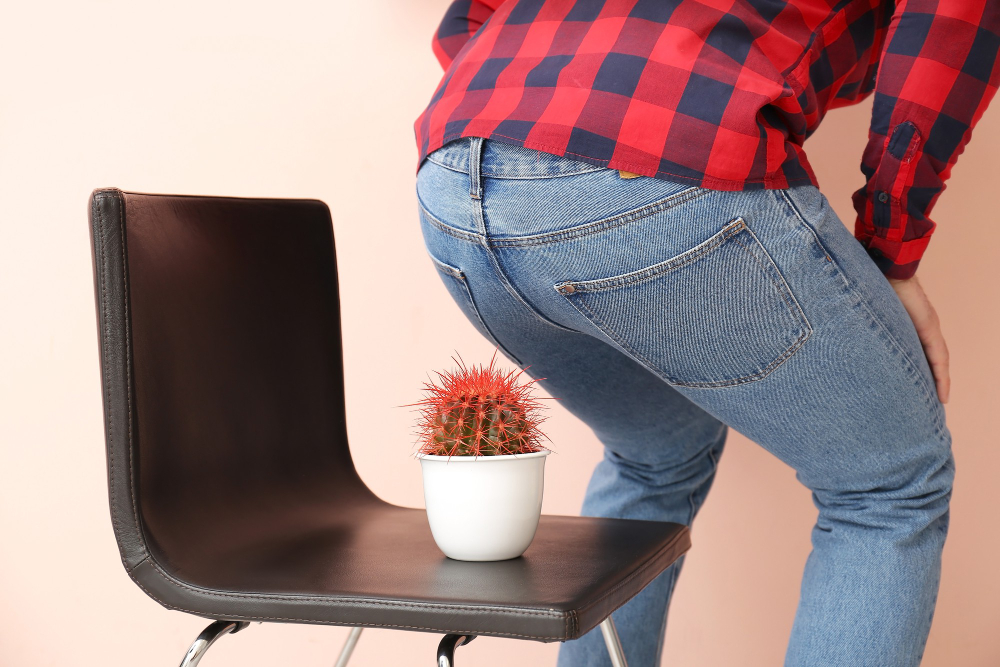
Many people feel confused about the difference between fissure, piles, and fistula. These are common problems that affect the area around the anus. Understanding the differences is important because each condition needs a different approach. In this blog, we explain fissure vs piles vs fistula, their symptoms, causes, and treatment options. Knowing these facts can help you seek the right care and avoid complications.
What Are Fissures?
An anal fissure is a small tear or cut in the lining of the anus. This tear can cause pain and bleeding during bowel movements. Often, people with fissures feel a sharp pain when passing stool. Sometimes, there may be a small amount of blood on the toilet paper.Symptoms: Sharp pain during or after passing stool, bright red blood, itching, or a small lump near the tear.Causes: Hard or large stools, constipation, diarrhea, or straining during bowel movements. In some cases, childbirth or anal injury can also cause fissures.
What Are Piles?
Piles, also called hemorrhoids, are swollen veins in the lower part of the anus or rectum. These veins can swell due to pressure. Piles are common and can cause discomfort, but they are usually not serious.Symptoms: Painless bleeding during bowel movements, itching, swelling, or a lump near the anus. Sometimes, piles can cause pain if a blood clot forms.Causes: Straining during bowel movements, chronic constipation, sitting for long periods, pregnancy, or obesity. A low-fiber diet can also increase the risk.
What Is a Fistula?
An anal fistula is a small tunnel that forms between the inside of the anus and the skin around it. This tunnel usually develops after an infection or abscess in the area. The infection creates a path for pus to drain, which becomes a fistula.Symptoms: Pain, swelling, redness, and discharge of pus or blood near the anus. Sometimes, there may be fever or repeated infections.Causes: Most fistulas start after an anal abscess. Other causes include Crohn’s disease, tuberculosis, or injury.
Key Differences Between Fissure, Piles, and Fistula
It is easy to mix up these conditions. However, they have clear differences. Here is a simple comparison:ConditionMain SymptomMain CauseLocationFissureSharp pain, bleedingTear in anal liningAnal canalPilesBleeding, swelling, itchingSwollen veinsAnus or rectumFistulaPain, pus dischargeInfection, abscessBetween anus and skin Fissures cause sharp pain and bleeding after passing stool.Piles often cause painless bleeding and swelling.Fistulas lead to pus discharge and repeated infections.
Diagnosis
Doctors use different methods to diagnose these conditions. First, they ask about your symptoms and medical history. Then, they may do a physical exam.Fissure: Doctors look for a tear near the anus.Piles: They check for swollen veins or lumps. Sometimes, a simple exam is enough.Fistula: Doctors look for an opening or discharge. They may use tests like an MRI or ultrasound to see the tunnel.
In some cases, doctors may suggest a colonoscopy to rule out other problems. Early diagnosis helps in choosing the right treatment.
Treatment Options
Treatment depends on the condition and its severity. Here are common options:Fissure: Most heal with simple care. Doctors may suggest:High-fiber diet and more fluidsSitz baths (warm water soaks)Medicines to reduce pain and help healingSurgery if the fissure does not healPiles: Mild cases improve with lifestyle changes. Doctors may recommend:Eating more fiberDrinking enough waterMedicines or creams for symptomsProcedures to remove or shrink piles, such as rubber band ligation or surgeryFistula: Fistulas usually need surgery. Doctors may also use:Antibiotics for infectionSpecial surgical procedures to close the tunnel
Always follow your doctor’s advice for the best results. Treatment options may vary in different countries, including in India.
Prevention Tips
While not all cases can be prevented, these tips can lower your risk:Eat a high-fiber diet with fruits, vegetables, and whole grainsDrink plenty of water every dayExercise regularly to keep your bowels movingAvoid straining during bowel movementsDo not ignore the urge to pass stoolPractice good hygiene in the anal areaSee a doctor if you have ongoing pain, bleeding, or discharge
These steps can help prevent piles, fissures, and even some fistulas.
Conclusion
In summary, fissure, piles, and fistula are different conditions with unique symptoms and causes. Early recognition and proper care can prevent complications. If you notice symptoms of fissure, piles, or fistula, consult a healthcare specialist at Vitality Hospital for personalized advice.

 WhatsApp us