
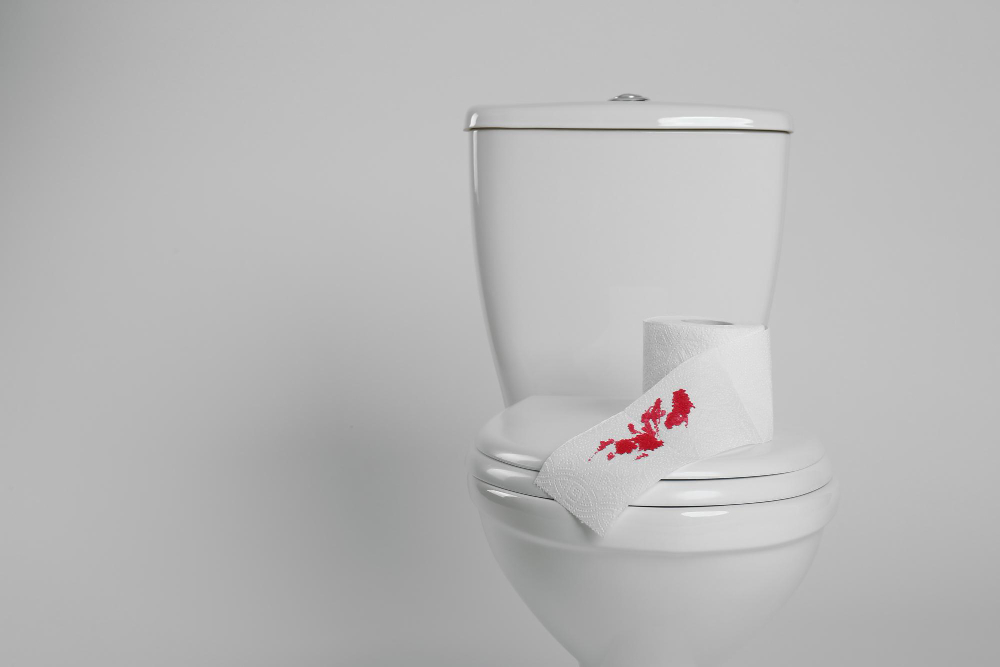
What Is Rectal Bleeding?
Rectal bleeding means you notice blood coming from your bottom. Often, people see bright red blood on toilet paper or in the toilet bowl. Usually, rectal bleeding is linked to piles, also called hemorrhoids. However, sometimes it can be a sign of a more serious problem. Because of this, it is important to know what rectal bleeding is and when to seek help.
Common Causes of Rectal Bleeding
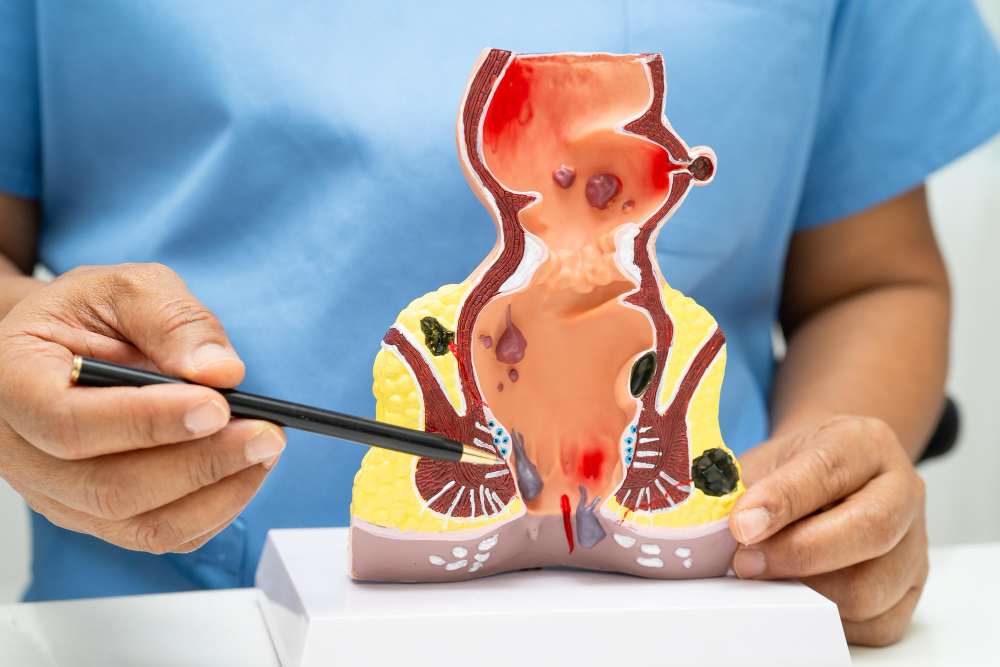
Many people think piles are the only cause of rectal bleeding. In reality, there are several possible reasons. For example, some causes are mild, while others need quick medical care. Here are some common causes of rectal bleeding:
Sometimes, even hard stools or frequent diarrhea can lead to bleeding. For this reason, it is important to pay attention to your symptoms.
When Rectal Bleeding Is More Than Just Piles
While piles are common, rectal bleeding can sometimes mean something more serious. For instance, if the bleeding does not stop or comes with other symptoms, you should see a doctor. In some cases, rectal bleeding is a sign of a larger health problem. Therefore, knowing when to worry about rectal bleeding can help you get the right care.
Warning Signs to Watch For
Not all rectal bleeding is harmless. In fact, certain signs suggest you need medical attention. Watch for these warning signs:
Because these signs can point to serious issues, it is best to talk to a doctor if you notice any of them. According to the CDC, early detection of colon cancer can save lives.
How Doctors Diagnose Rectal Bleeding
Doctors use several methods to find the cause of rectal bleeding. First, they will ask about your symptoms and medical history. Next, they may do a physical exam. In many cases, further tests are needed. For example, doctors may use:
Because early diagnosis is important, do not delay seeing a doctor if you have ongoing rectal bleeding.
Treatment Options for Rectal Bleeding
Treatment depends on the cause of the bleeding. For example, mild piles may get better with simple care at home. However, other causes need more treatment. Here are some common options:
Because each cause is different, your doctor will choose the best treatment for you.
Prevention and Lifestyle Tips
Although not all causes of rectal bleeding can be prevented, you can lower your risk. For instance, making healthy choices can keep your bowels working well. Try these tips:
Because early action can prevent problems, these habits are important for everyone. The World Health Organization also recommends regular screening for colon cancer in adults over 50.

 WhatsApp us