
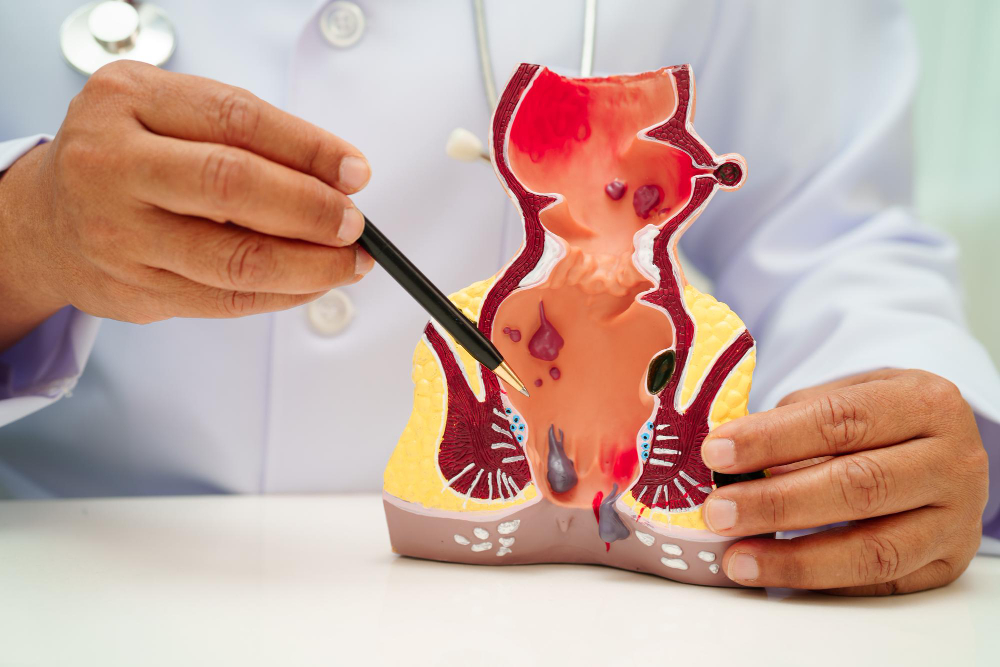
What Is an Anal Fistula?
An anal fistula is a small tunnel that forms between the end of the bowel and the skin near the anus. Often, this tunnel develops after an infection in the area. The infection can cause a pocket of pus, called an abscess. Sometimes, the abscess does not heal fully and leaves a channel. Because of this, understanding the risk factors of anal fistula is important. Knowing the causes of anal fistula and who is at risk for anal fistula can help with early prevention and treatment.
Why Understanding Risk Factors Matters
Knowing what increases your risk can help you take steps to stay healthy. For example, you may be able to avoid certain habits or seek care sooner. In addition, early action can lower your chances of problems. If you know the risk factors of anal fistula, you can watch for warning signs. This can lead to faster treatment and better results.
Main Risk Factors of Anal Fistula
Several things can raise your risk of getting an anal fistula. Below are the most common risk factors:Previous Anal Abscess: If you had an abscess near the anus before, you are more likely to develop a fistula.Chronic Infections: Ongoing infections in the anal area, such as those from blocked glands, can lead to fistulas.Inflammatory Bowel Disease: Conditions like Crohn’s disease or ulcerative colitis increase your risk.Trauma or Injury: Any injury to the anal area, including surgery, may cause a fistula.Tuberculosis: This infection can sometimes affect the area around the anus and cause fistulas.Radiation Therapy: Treatment for cancer in the pelvic area can sometimes damage tissues and lead to fistulas.Sexually Transmitted Infections (STIs): Some STIs can cause infections that may result in a fistula.Weakened Immune System: People with HIV or other conditions that lower immunity are at higher risk.
How to Reduce Your Risk
While you cannot always prevent an anal fistula, you can lower your risk. For instance, keeping the anal area clean helps prevent infections. Also, treating any abscess or infection early can stop a fistula from forming. If you have a condition like Crohn’s disease, follow your doctor’s advice to manage it well. In addition, avoid risky behaviors that can lead to infections, such as unprotected sex. Eating a healthy diet and staying hydrated may also help keep your bowels healthy.
Conclusion
Anal fistula often develops after an anal abscess or ongoing infection, but several other conditions can increase the risk. Recognizing risk factors and seeking medical attention for persistent pain, swelling, or discharge can help prevent complications. Early diagnosis and appropriate treatment are important for managing fistulas effectively and reducing recurrence. If you notice unusual symptoms around the anal area, do not delay getting evaluated by a qualified specialist.
Experiencing pain, swelling, or discharge near the anus? Consult the specialists at Vitality Hospital for timely evaluation and personalized treatment.
 WhatsApp us