
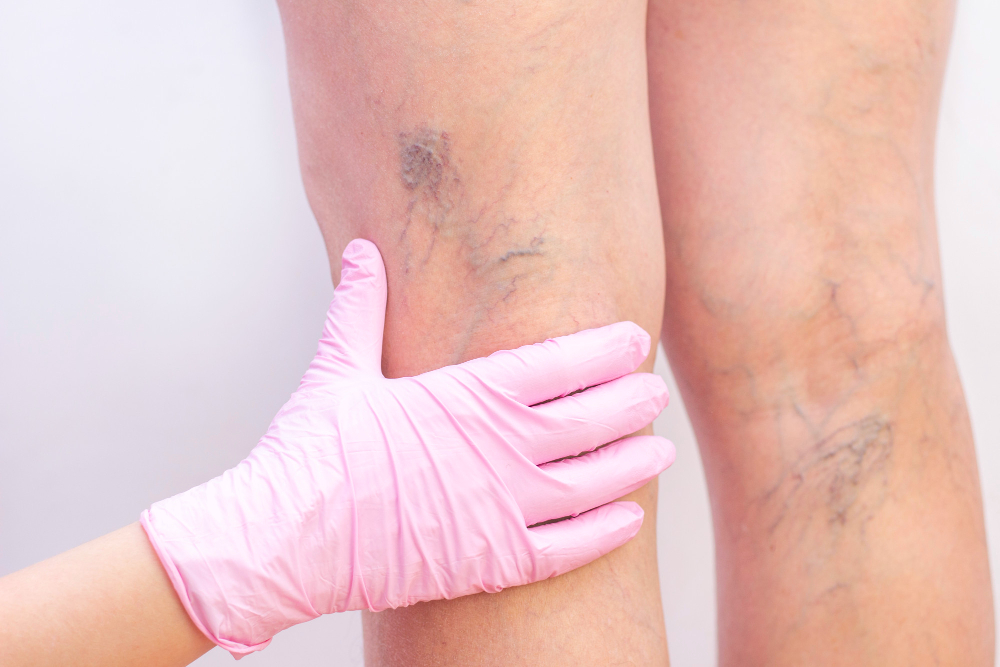
Varicose veins are swollen, twisted veins that often appear on the legs. Many people notice them as blue or purple lines under the skin. Understanding the types of varicose veins is important. It helps you spot early signs, know the symptoms, and seek the right treatment. There are different types of varicose veins, and each has its own symptoms and treatment options. Knowing about these types can help you make better choices for your vein health.
What Are Varicose Veins?
Varicose veins are veins that have become enlarged and twisted. Usually, they develop when the valves in your veins do not work well. As a result, blood pools in the veins, causing them to swell. Most often, varicose veins appear in the legs. However, they can also show up in other parts of the body. While some people have no symptoms, others may feel pain, heaviness, or itching.
Common Types of Varicose Veins
There are several types of varicose veins. Each type looks and feels different. Let’s look at the most common ones.
Trunk Varicose Veins
Trunk varicose veins are large, bulging veins. They are often easy to see under the skin. Usually, they run along the main veins in your legs. These veins can look twisted or rope-like. For many people, they cause aching or discomfort, especially after standing for long periods.
Reticular Varicose Veins
Reticular varicose veins are smaller than trunk veins. They appear as flat, blue or green lines under the skin. Often, they form in clusters on the legs or behind the knees. Although they are less likely to bulge, they can still cause discomfort or itching.
Telangiectasia (Spider Veins)
Spider veins, also called telangiectasia, are the smallest type. They look like thin red or blue lines. Sometimes, they form a web-like pattern. Spider veins are usually painless. However, some people may feel mild burning or itching. They often appear on the legs or face.
Symptoms and Signs to Watch For
It is important to know the signs of varicose veins. Early detection can help you get treatment sooner. Common symptoms include:
Visible blue, purple, or red veins
Swelling in the legs or ankles
Heaviness or aching in the legs
Itching or burning near the veins
Muscle cramps, especially at night
Skin changes, such as dryness or discoloration
Sometimes, symptoms get worse after standing or sitting for a long time. If you notice these signs, it is wise to talk to a doctor.
Diagnosis of Varicose Veins
Doctors use several methods to diagnose varicose veins. First, they will ask about your symptoms and medical history. Next, they will examine your legs for visible veins. Often, a simple test called a duplex ultrasound is used. This test shows how blood flows in your veins. It also helps find any blockages or valve problems. Early diagnosis can lead to better treatment results.
Treatment Options for Different Types
Treatment depends on the type and severity of your varicose veins. Some common options include:
Compression stockings: These help improve blood flow and reduce swelling.
Exercise: Regular movement can ease symptoms and prevent new veins from forming.
Sclerotherapy: A doctor injects a solution to close small veins, like spider veins.
Laser therapy: This uses light to treat small or medium veins.
Surgery: For large trunk veins, procedures like vein stripping may be needed.
Each treatment has its own benefits and risks. Therefore, it is important to discuss options with your healthcare provider.
Prevention and Lifestyle Tips
While you cannot always prevent varicose veins, some habits can lower your risk. Consider these tips:
Stay active and exercise regularly
Avoid standing or sitting for long periods
Elevate your legs when resting
Maintain a healthy weight
Wear comfortable shoes and avoid high heels
Making small changes can help protect your vein health over time.
Conclusion: Varicose veins come in different types, each with its own look and symptoms. Early recognition and treatment can improve comfort and prevent problems. Consult at Vitality Hospital to learn more about your vein health and treatment options.


 WhatsApp us