
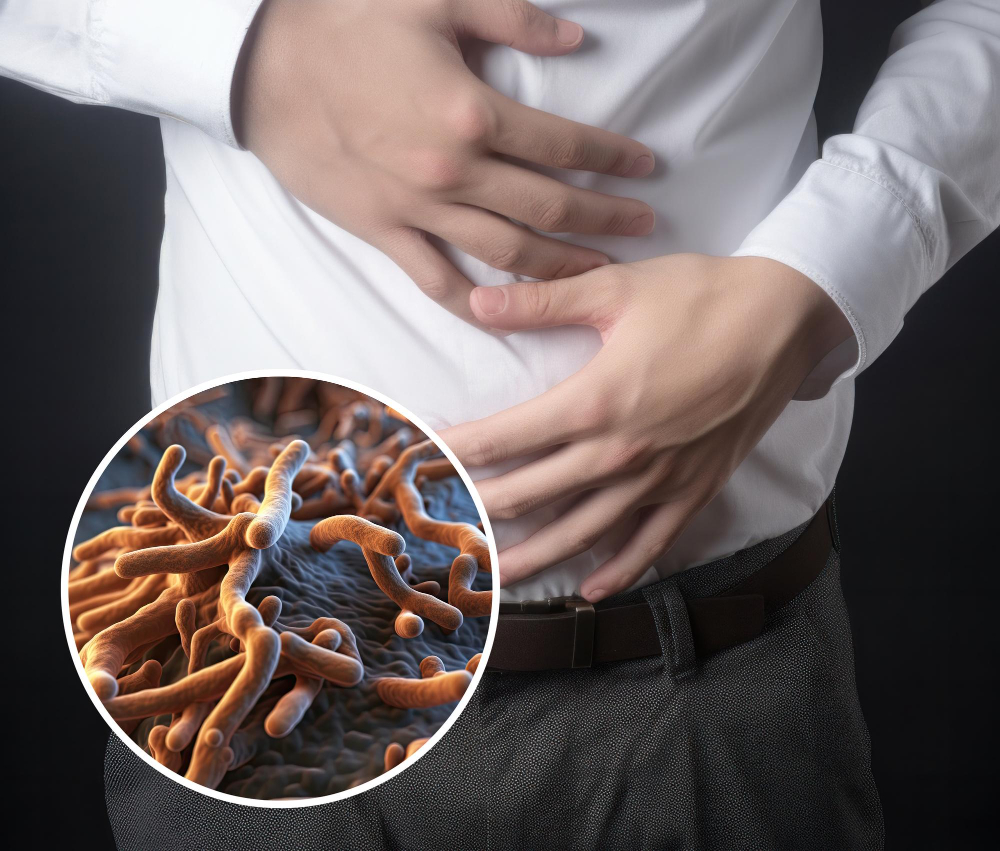
What Is the Gut Microbiome?
The gut microbiome is a group of tiny living things in your digestive system. These include bacteria, viruses, and fungi. Most of these are good bacteria. In fact, they help your body break down food and absorb nutrients. The gut microbiome is important for your health. According to the World Health Organization (WHO), a healthy gut can help prevent many diseases. Because of this, many experts focus on ways to keep your gut microbiome balanced.
Role of Good Bacteria in Digestion
Good bacteria for digestion play a big role in your health. First, they help break down food that your body cannot digest on its own. Next, they make vitamins like B12 and K. Also, they protect your gut from harmful germs. For example, good bacteria crowd out bad bacteria, keeping your gut safe. In addition, they help your immune system work better. As a result, your body can fight off illness more easily.
Symptoms and Signs of an Imbalanced Gut Microbiome
Sometimes, the gut microbiome can become unbalanced. When this happens, you may notice changes in your body. Common signs include:Frequent stomach pain or bloatingConstipation or diarrheaUnexplained tirednessFood cravings, especially for sugarSkin problems like rashes or acneFrequent colds or infections
If you notice these symptoms, your gut may need support. However, these signs can also be caused by other health issues. Therefore, it is important to pay attention to your body.
Causes of Gut Microbiome Imbalance
Many things can upset your gut microbiome. For instance, taking antibiotics can kill both good and bad bacteria. Poor diet, especially one high in sugar or processed foods, can also harm your gut. In addition, stress and lack of sleep may affect your gut health. Sometimes, infections or illnesses can change your gut bacteria. Because of these factors, it is important to care for your gut every day.
How to Support Good Bacteria: Diet and Lifestyle Tips
You can improve gut health naturally by making simple changes. Here are some digestive health tips:Eat more fiber-rich foods like fruits, vegetables, and whole grainsInclude fermented foods such as yogurt, kefir, and sauerkrautDrink plenty of water to help digestionLimit processed foods and added sugarsExercise regularly to support gut movementManage stress through relaxation or hobbiesGet enough sleep each night
For example, adding a small serving of yogurt to your breakfast can boost good bacteria. In addition, walking daily helps your gut work better. Because these steps are easy, anyone can start today.
Prevention and Maintaining Gut Health
Maintaining gut health is important for your overall well-being. To prevent problems, try to eat a balanced diet every day. Also, avoid unnecessary antibiotics. If you must take them, ask your doctor about ways to protect your gut. Furthermore, keep a regular sleep schedule and stay active. By following these habits, you can keep your gut microbiome healthy for years to come.
When to Consult a Healthcare Professional
Sometimes, gut problems do not go away with simple changes. If you have ongoing stomach pain, severe diarrhea, or weight loss, see a doctor. Also, if you notice blood in your stool or have a high fever, seek help right away. Because some gut issues can be serious, it is best to get expert advice. A healthcare professional can check your symptoms and suggest the right treatment.
In summary, your gut microbiome plays a key role in your health. Good bacteria help with digestion and protect you from illness. By making healthy choices, you can support your gut every day. Consult a specialist at Vitality Hospital for personalized guidance on your digestive health.


 WhatsApp us