

What Is Bowel Incontinence?
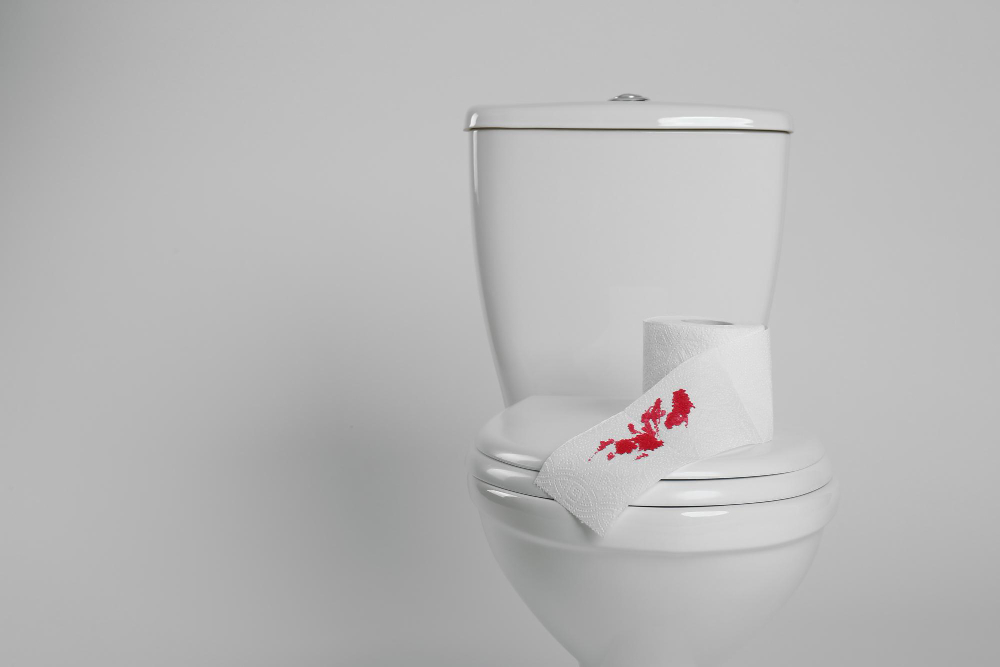
Bowel incontinence means you cannot fully control your bowel movements. This can lead to accidental leakage of stool or gas. Because of this, many people feel embarrassed or worried. However, bowel incontinence is more common than you might think. According to the Centers for Disease Control and Prevention (CDC), millions of people in the United States live with this condition. While it can affect anyone, it is more common in older adults and women. In some regions, access to care may impact how often people report symptoms.
Common Symptoms of Bowel Incontinence
People with bowel incontinence may notice different symptoms. For example, some may have only mild leakage. Others may lose full control. Below are common signs:
Sometimes, symptoms may come and go. Yet, for some people, they happen every day.
Main Causes of Loss of Bowel Control
There are many reasons why loss of bowel control, or fecal incontinence, can happen. Often, more than one cause is involved. Some common causes include:
According to the World Health Organization (WHO), older adults and women who have given birth are at higher risk. In some areas, access to medical care may affect how often people seek help for bowel leakage.
How Is Bowel Incontinence Diagnosed?
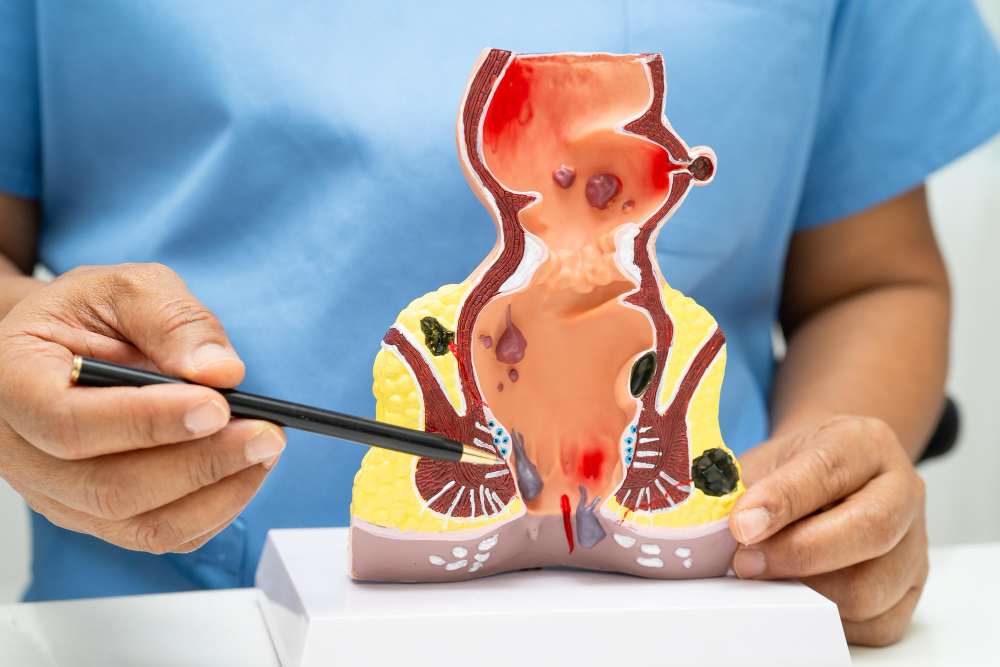
Doctors use several steps to diagnose bowel incontinence. First, they ask about your symptoms and medical history. Next, they may do a physical exam. Sometimes, special tests help find the cause. These tests may include:
With these tools, doctors can find the best treatment for bowel incontinence.
Treatment Options for Bowel Incontinence
Many people worry about bowel incontinence, but help is available. Treatment for bowel incontinence depends on the cause and how severe it is. Options may include:
For many, a mix of these treatments works best. Your doctor will help choose the right plan for you.
Lifestyle Tips for Managing Bowel Incontinence
Living with bowel incontinence can be hard. However, some daily changes can help you manage symptoms. Consider these tips:
With support and planning, many people find they can live well with bowel leakage.
Preventing Bowel Incontinence
While not all cases can be prevented, some steps may lower your risk. For instance, you can:
Early care for bowel problems can help prevent long-term issues. In many cases, talking to your doctor early makes a big difference.
Conclusion
If you are worried about bowel control or have symptoms, Vitality Hospital is here to help. Book a consultation today to discuss your concerns and find the right care for you.
 WhatsApp us