
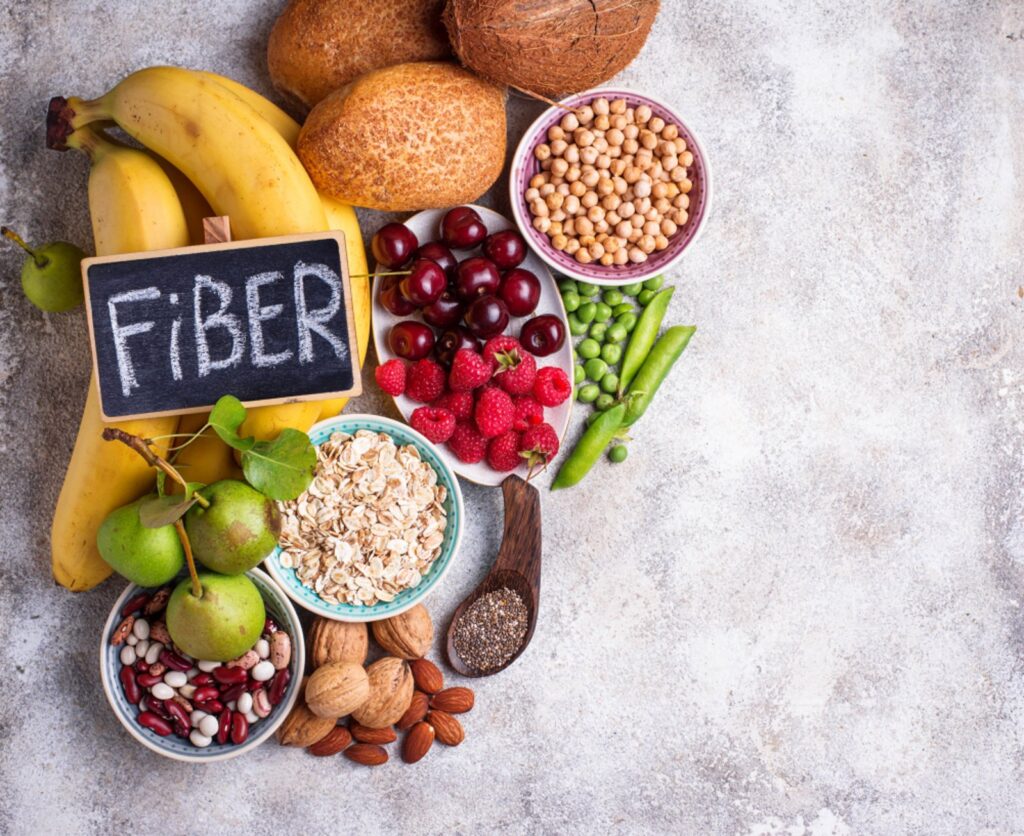
Many people wonder about the importance of fiber for a healthy digestive system. Fiber plays a big role in keeping your gut healthy. In fact, eating enough fiber can help prevent many stomach problems. Because fiber is found in plant foods, it is easy to add to your daily meals. For better gut health, it is important to know how fiber works and why it matters. This blog will explain what fiber is, how it helps your digestion, and how you can get more fiber every day.
What Is Dietary Fiber?
Dietary fiber is a part of plant foods that your body cannot fully digest. While most foods break down in your stomach, fiber passes through almost unchanged. There are two main types of fiber:Soluble fiber: This type dissolves in water and forms a gel-like substance. It helps slow digestion.Insoluble fiber: This type does not dissolve in water. It adds bulk to your stool and helps food move through your gut.
Both types are important for your digestive wellness. For example, fruits, vegetables, whole grains, and beans are good sources of fiber.
How Fiber Supports Digestive Health
Fiber for gut health is very important. First, it helps keep your bowels regular. Because fiber adds bulk to your stool, it makes it easier to pass. Also, fiber feeds the good bacteria in your gut. These bacteria help break down food and keep your digestive system healthy. In addition, fiber can help prevent constipation and other stomach issues. For many people, eating enough fiber leads to better digestive wellness.
Key Benefits of Fiber for the Digestive System
Eating fiber-rich foods offers many benefits for your digestive system. Some key benefits include:Helps prevent constipation by making stools softer and easier to passSupports healthy gut bacteria, which can improve digestionMay lower the risk of colon cancer, according to the CDCReduces the chance of developing hemorrhoidsHelps control blood sugar by slowing sugar absorption
Because of these benefits, experts like the WHO and CDC recommend eating enough fiber every day.
Recommended Daily Fiber Intake
Knowing how much fiber you need is important. The CDC suggests these daily amounts:Women (ages 19–50): 25 grams per dayMen (ages 19–50): 38 grams per dayAdults over 50: slightly less, as activity levels may drop
However, most people eat less fiber than they need. For better digestive health, try to meet these daily goals.
Best Sources of Dietary Fiber
There are many high-fiber foods you can enjoy. For example, some of the best sources include:Whole grains like oats, brown rice, and whole wheat breadFruits such as apples, pears, and berriesVegetables like carrots, broccoli, and spinachBeans, lentils, and chickpeasNuts and seeds, including almonds and chia seeds
Because these foods are easy to find, you can add them to your meals every day. In the US, many stores offer a wide range of fiber-rich foods.
Tips for Increasing Fiber Intake Safely
Adding more fiber to your diet is simple, but you should do it slowly. Here are some digestive wellness tips:Start by adding one high-fiber food to each mealDrink plenty of water to help fiber move through your gutChoose whole fruits instead of juice for more fiberSwitch to whole grain bread and pastaSnack on nuts or raw veggies instead of chips
Because sudden changes can cause gas or bloating, increase fiber slowly over a few weeks.
Common Myths About Fiber and Digestion
There are many myths about fiber for gut health. For example, some people think all fiber is the same. However, both soluble and insoluble fiber play different roles. Another myth is that fiber causes stomach pain. In reality, adding fiber slowly can prevent discomfort. Also, some believe only older adults need fiber. But everyone, including children, benefits from fiber-rich foods.
When to Seek Medical Advice
Most people can improve their digestive health by eating more fiber. However, you should talk to a doctor if you:Have ongoing stomach pain or bloatingNotice blood in your stoolHave sudden changes in bowel habitsFeel pain when eating high-fiber foods
Because some digestive issues need special care, it is best to get advice from a healthcare professional.
In summary, fiber is key for a healthy digestive system. For better gut health, eat a variety of high-fiber foods every day. Consult at Vitality Hospital for personalized dietary advice.


 WhatsApp us