
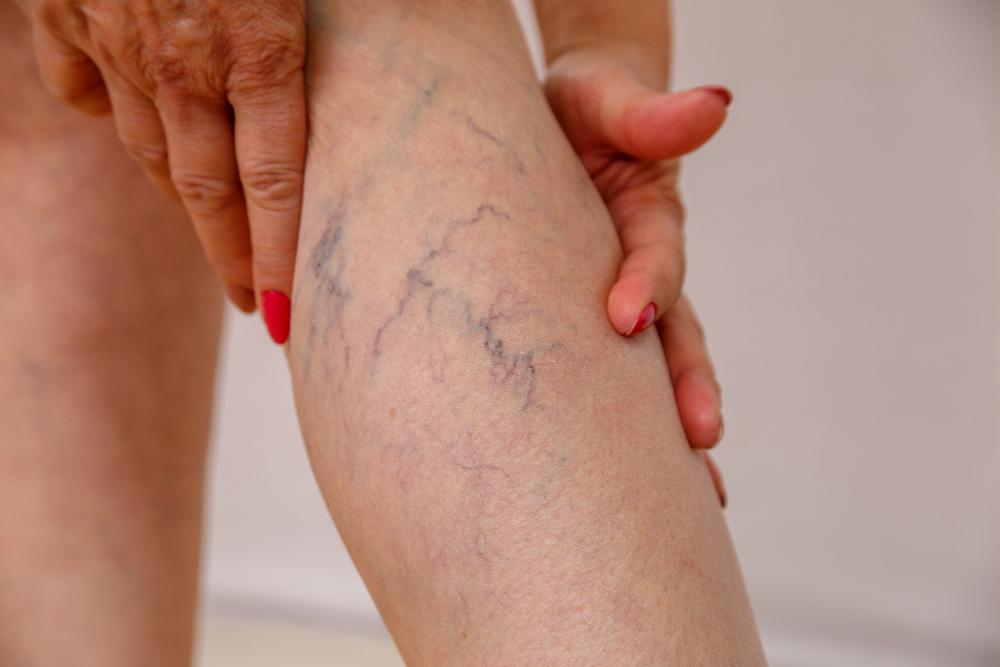
What Are Varicose Veins?
Varicose veins are swollen, twisted veins that often appear on the legs. These veins look blue or purple and can be seen just under the skin. Many people notice varicose veins because they are easy to spot. In most cases, they are not dangerous. However, they can cause discomfort or pain. According to the World Health Organization (WHO), varicose veins are a common issue, especially in adults.
Common Causes and Risk Factors
Varicose veins happen when the valves in your veins do not work well. As a result, blood pools in the veins instead of flowing back to the heart. Over time, this causes the veins to stretch and bulge. Several factors increase your risk of getting varicose veins. For example, you may be more likely to develop them if you:Have a family history of varicose veinsAre older, since veins weaken with ageAre female, due to hormonal changesAre pregnant, which puts extra pressure on veinsStand or sit for long periodsAre overweight or obese
In addition, lack of movement can make the problem worse. The Centers for Disease Control and Prevention (CDC) notes that lifestyle choices play a big role.
Recognizable Symptoms and Warning Signs
Many people wonder about the symptoms of varicose veins. While some people have no symptoms, others may notice:Visible, bulging veins on the legsAching or heavy feeling in the legsSwelling in the lower legs or anklesItching around the veinsMuscle cramps, especially at nightSkin changes, such as darkening or sores near the ankle
Sometimes, symptoms get worse after standing or sitting for a long time. If you notice these warning signs, it is wise to seek medical advice.
Diagnosis: How Varicose Veins Are Identified
Doctors can often diagnose varicose veins by looking at your legs and asking about your symptoms. However, they may use an ultrasound test to check blood flow in your veins. This test is painless and helps find any blockages or valve problems. Early diagnosis can help prevent complications. Therefore, do not ignore new or worsening symptoms.
Laser Treatment Options: Procedures, Benefits, and Recovery
Laser treatment for varicose veins is a modern, less invasive option. During this procedure, a doctor uses a focused beam of light to close off the affected vein. There are two main types:Simple laser treatment: Used for small veins near the skin’s surface. The laser is applied outside the skin.Endovenous laser treatment: Used for larger veins. A thin fiber is inserted into the vein, and the laser heats the vein from inside.
Both methods help the body absorb the closed vein over time. Benefits include:Less pain and bruising than surgeryQuick recovery, often within a few daysNo need for general anesthesia
After treatment, you may need to wear compression stockings. Most people return to normal activities quickly. However, always follow your doctor’s advice for the best results. Studies in medical journals show that laser treatment is safe and effective for many patients.
Prevention and Lifestyle Guidance
Although you cannot always prevent varicose veins, you can lower your risk. Here are some helpful tips on how to prevent varicose veins:Exercise regularly to improve blood flowMaintain a healthy weightAvoid standing or sitting for long periodsElevate your legs when restingWear loose clothing to avoid pressure on your veinsUse compression stockings if recommended
In addition, eating a high-fiber, low-salt diet can help. Small changes in daily habits can make a big difference over time.
When to See a Specialist
If you have symptoms of varicose veins or want to learn more about laser treatment for varicose veins, do not wait. Early care can prevent problems and improve comfort. Consult a specialist at Vitality Hospital for personalized advice on varicose veins and treatment options.


 WhatsApp us