
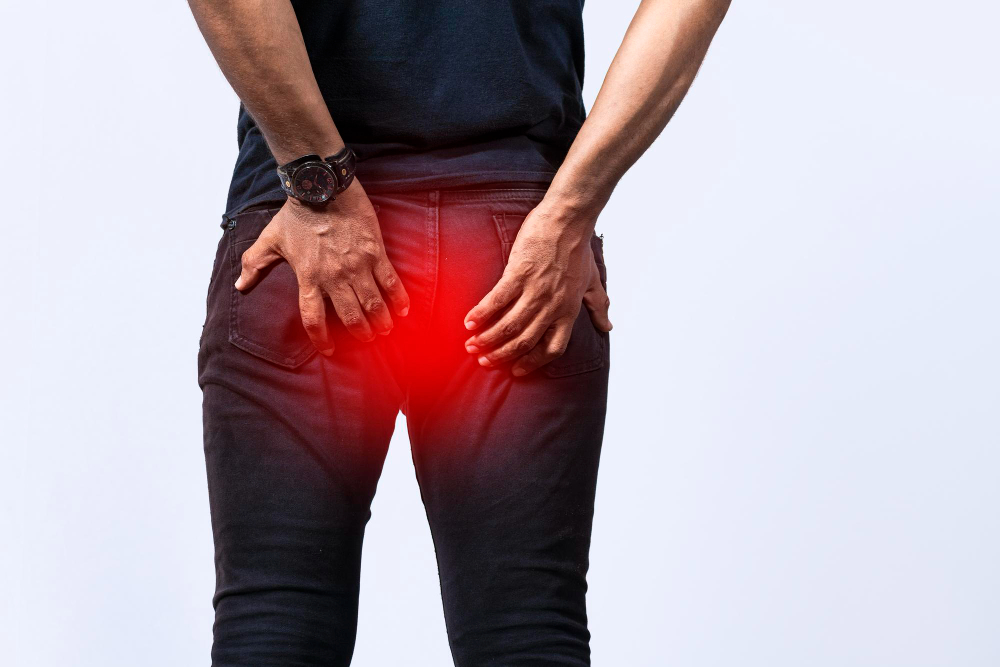
What is Fistula-in-Ano?
A fistula-in-ano is a small tunnel that forms between the inside of the anus and the skin around it. Usually, it develops after an infection near the anus. As a result, pus collects and forms an abscess. When the abscess drains, a tunnel or tract may remain. This is called a fistula-in-ano. Many people find this condition uncomfortable and embarrassing. However, modern treatments can help.
Symptoms and Causes
Often, people notice signs before a fistula-in-ano is diagnosed. For example, you may see:Pain or swelling near the anusRedness or irritation of the skinDischarge of pus or bloodFever or feeling unwellRepeated abscesses in the same area
Most fistulas start after an infection in the anal glands. Sometimes, conditions like Crohn’s disease or tuberculosis can also cause them. But in many cases, the exact cause is not clear.
Traditional Treatment Methods
In the past, doctors treated fistula-in-ano with surgery. Usually, this meant cutting open the tract and removing it. Sometimes, stitches were needed. While this method works, it can be painful. Recovery may take weeks. There is also a risk of infection or problems with bowel control. Because of these issues, many people look for safer options.
What is Modern Laser Treatment?
Today, laser treatment for fistula-in-ano is a popular choice. This method is also called minimally invasive fistula surgery. It uses a special laser fiber to close the fistula tract from the inside. There are no cuts or stitches. As a result, the risk of pain and infection is much lower. Many clinics now offer no cut no stitch fistula treatment, including laser fistula treatment in major cities.
Benefits of Laser Treatment Without Cuts or Stitches
Laser treatment offers many advantages over traditional surgery. For example:No large cuts or stitchesLess pain during and after the procedureLower risk of infectionFaster recovery timeMinimal bleedingShort hospital stay or even day careLower chance of bowel control problems
Because of these benefits, more people are choosing laser treatment for fistula-in-ano.
The Laser Procedure: Step-by-Step
Here is how the laser procedure works:First, the doctor examines the area and confirms the fistula tract.Next, you receive local or mild anesthesia to keep you comfortable.Then, a thin laser fiber is gently inserted into the fistula tract.The laser energy seals the tract from the inside, closing it off.Finally, you rest for a short time before going home.
Most people can return to normal activities within a few days. However, always follow your doctor’s advice.
Recovery and Aftercare
After laser treatment, recovery is usually quick. Still, you should take some simple steps:Keep the area clean and dryTake any medicines as prescribedEat a healthy, high-fiber diet to avoid constipationDrink plenty of waterAvoid heavy lifting for a few days
If you notice fever, severe pain, or heavy bleeding, contact your doctor right away. Most people heal well and return to daily life soon.
Prevention and Lifestyle Tips
While not all fistulas can be prevented, you can lower your risk. For instance:Practice good hygiene after using the toiletEat foods rich in fiber, like fruits and vegetablesStay hydrated by drinking enough waterSeek prompt care for any anal pain or swellingManage chronic conditions, such as Crohn’s disease, with your doctor’s help
These steps can help keep your digestive system healthy.
Frequently Asked Questions
Is laser treatment safe? Yes, studies show laser treatment is safe and effective for most people. Will I need to stay in the hospital? In most cases, you can go home the same day.Is there a risk of the fistula coming back? While the risk is lower with laser treatment, it is possible. Regular follow-up helps catch problems early.Does the procedure hurt? Most people feel little pain during or after laser treatment.How soon can I return to work? Many people return to work within a few days, but always check with your doctor.
Consult a specialist at Vitality Hospital for personalized guidance on fistula-in-ano treatment.

 WhatsApp us